Tinnitus information
Ringing in your ears: what it actually means
Find out why ringing starts, which patterns fade on their own and which ones an audiologist should examine. Learn what a hearing test reveals about the sound you hear when everything else is quiet.
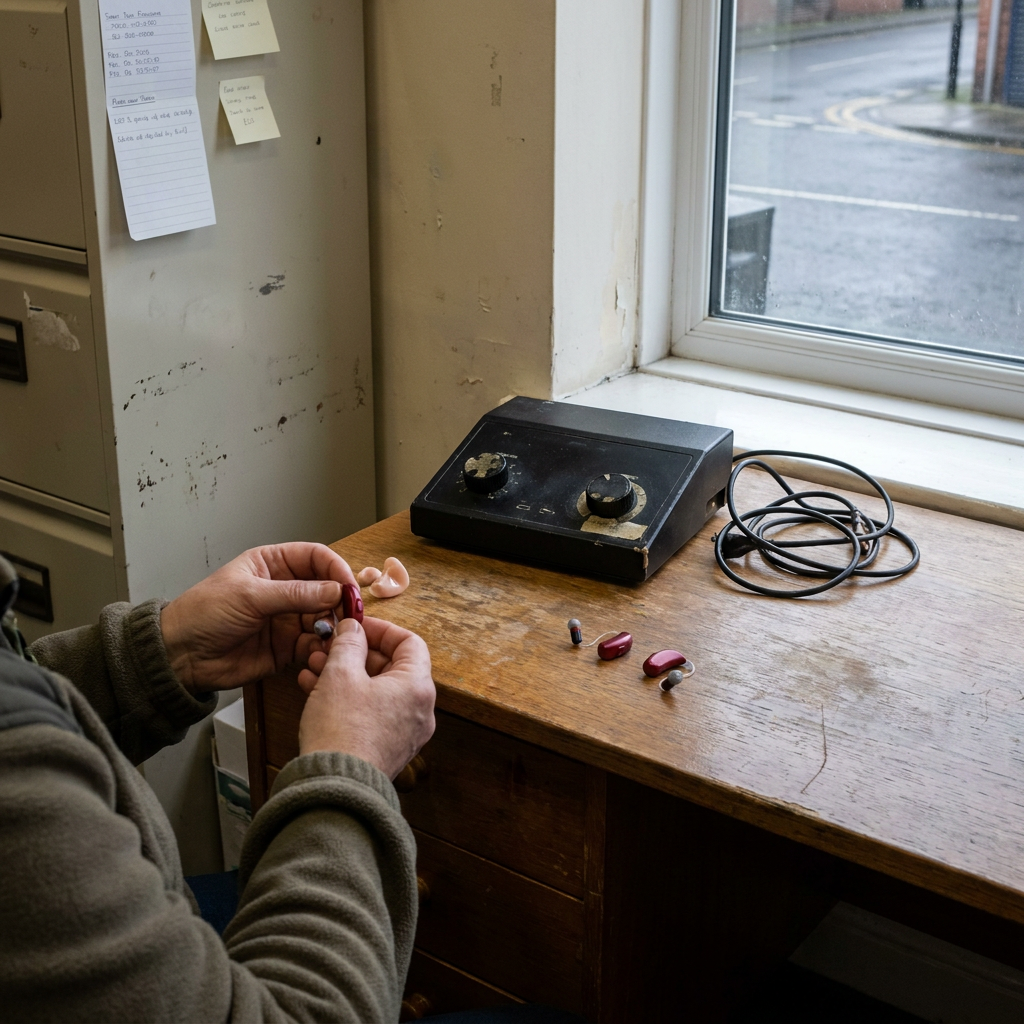
Why you hear a sound that is not there
Tinnitus is the perception of sound without an external source. The brain generates it, usually because the auditory system has changed in some way. That change might be temporary, like a cold blocking the middle ear, or permanent, like damage from years of loud noise.
People describe it as ringing, buzzing, hissing or humming. Some hear it in one ear, others in both. It can be constant or come and go. The volume shifts too, sometimes louder at night when the house is quiet.
Because tinnitus is a symptom rather than a condition on its own, finding out what sits behind it matters. An audiologist uses a hearing test to check whether the inner ear is working as expected. If hearing has dropped even slightly, the brain may be compensating by producing sound. That compensation is often the ringing.
Common causes that resolve on their own
A blocked ear after swimming or a heavy cold can produce a high-pitched ring alongside muffled hearing. Once the fluid drains or the congestion clears, the sound usually goes with it. Ear wax behaves the same way. A plug sitting against the eardrum changes how sound travels through the canal, and the auditory nerve responds by creating noise.
Loud events cause short-term tinnitus too. A concert, a football match or a day using power tools without protection can leave ears ringing for hours or days. In most cases the hair cells in the cochlea recover and the ringing fades. Repeated exposure makes recovery less certain each time.
Stress and poor sleep also amplify existing tinnitus. People notice it more when they are tired or anxious, even if the underlying cause has not changed. Managing those factors often reduces how intrusive the sound feels.
When ringing points to something an audiologist should see
Tinnitus that arrives suddenly in one ear, especially alongside noticeable hearing loss or dizziness, needs prompt attention. An audiologist will run a full hearing assessment to map exactly where the deficit sits. Sudden sensorineural hearing loss is time-sensitive, and early intervention changes outcomes.
A pulsing sound that beats in time with your pulse is different from standard ringing. Pulsatile tinnitus can relate to blood flow near the ear and requires specific investigation. Mention this pattern clearly when booking an appointment so the right tests are arranged.
Long-term noise exposure from shipyards, factories or construction work across Tyneside frequently leads to both hearing loss and persistent tinnitus. The damage accumulates slowly. By the time the ringing becomes hard to ignore, the hearing thresholds have often shifted significantly. A hearing test establishes a baseline and shows whether hearing aids might reduce the perceived volume of the tinnitus by restoring missing frequencies.
How a hearing test helps
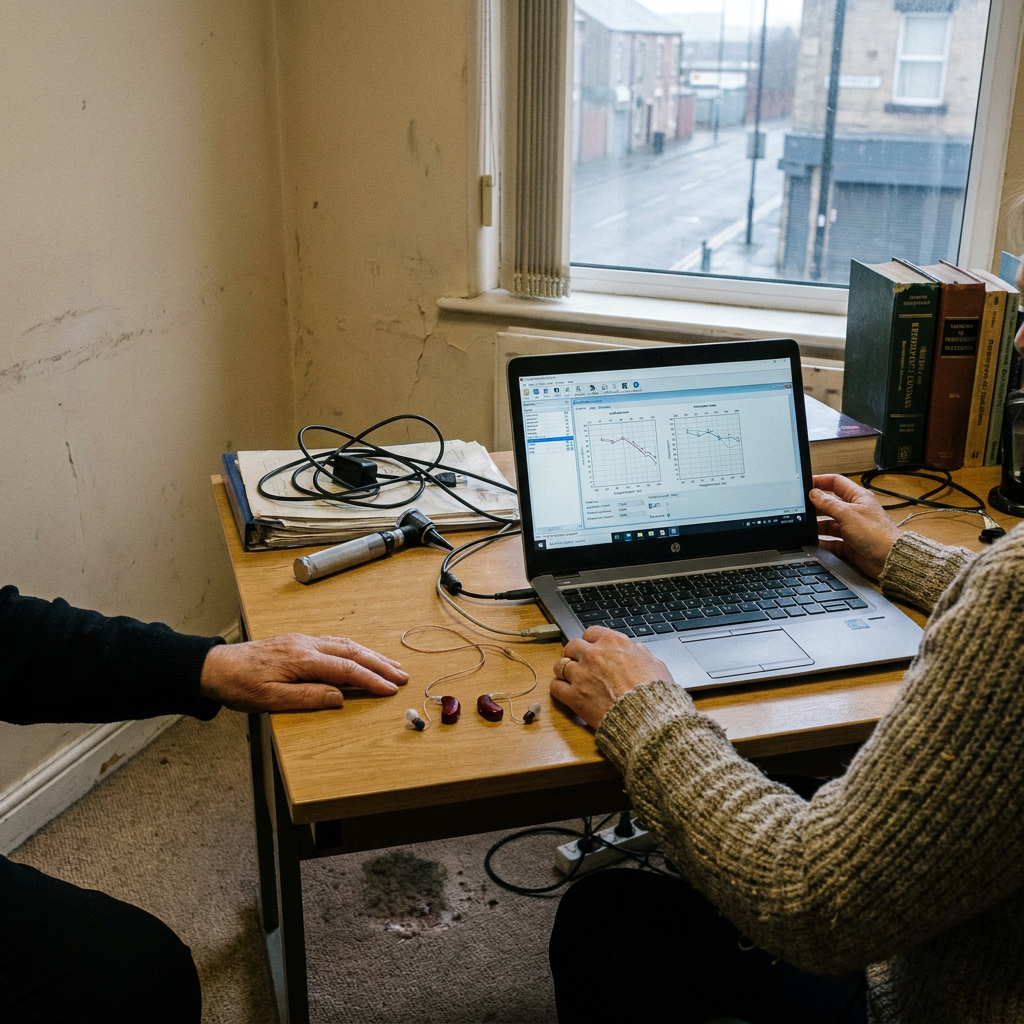
A hearing test does not cure tinnitus, but it answers the first question most people have: is my hearing damaged? The audiologist plays tones at different pitches and volumes, recording the softest sounds each ear detects. The resulting audiogram shows whether hearing loss is present and where it sits on the frequency scale.
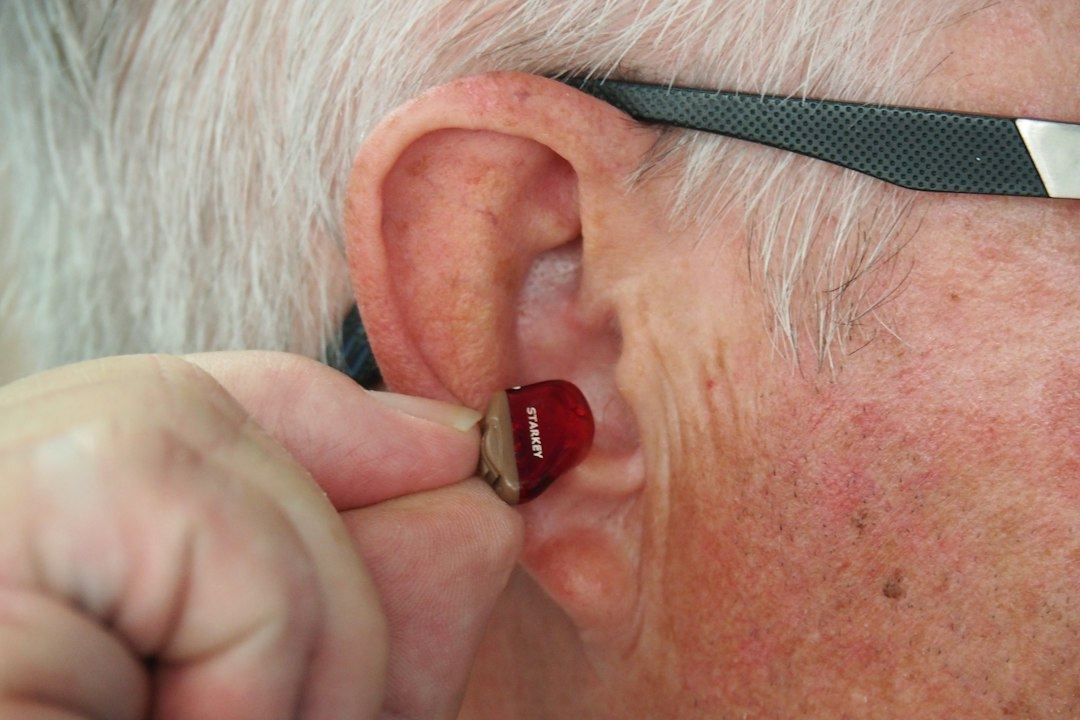
If loss is found, addressing it often makes tinnitus less noticeable. Hearing aids amplify the sounds the ear struggles with, giving the brain the input it was missing. Without that constant effort to compensate, the internal noise frequently drops in prominence.
Even when hearing falls within normal limits, the test provides reassurance. Knowing the auditory system is intact changes how people relate to the sound. The audiologist can also discuss management strategies tailored to the specific pitch and pattern of the ringing.
I keep hearing a ringing sound in my ears
Ringing, buzzing or hissing without an outside source is tinnitus. It happens when the auditory system changes, prompting the brain to generate sound. Some causes clear quickly; others need professional assessment.
- 1
High-pitched whine in quiet rooms
A steady tone you notice mainly at bedtime or in silent spaces often relates to mild hearing changes or recent noise exposure.
- 2
Muffled hearing alongside ringing
Sound feeling distant while ears ring suggests a blockage such as wax or fluid sitting against the eardrum.

- 3
Pulsing that matches your heartbeat
A rhythmic whooshing in one ear differs from standard ringing and warrants specific investigation by an audiologist.
- 4
Ringing after a loud event
Buzzing following a concert or noisy work shift usually fades within days, though repeated exposure makes it linger longer.
- 5
Sudden onset in only one ear
New ringing isolated to a single ear, particularly with dizziness or hearing drop, needs prompt professional assessment.
Questions about ringing ears
Will the ringing in my ears go away on its own?
It depends on the cause. Ringing from a cold, ear wax or a single loud event often resolves once the trigger passes. Tinnitus linked to hearing loss or prolonged noise exposure tends to persist, though its intensity can be managed with the right support.
Can ear wax cause ringing?
Yes. Wax pressed against the eardrum alters how vibrations travel through the ear. The auditory system compensates by generating sound. Removing the wax typically stops the ringing, which is why an assessment matters before assuming permanent damage.
Should I worry if only one ear rings?
Unilateral tinnitus can result from a simple wax blockage or an infection. But sudden ringing in one ear paired with hearing loss or vertigo needs prompt evaluation. An audiologist will determine whether further medical referral is necessary.
Does stress make tinnitus worse?
Stress does not create tinnitus, but it amplifies awareness of it. The brain prioritises threats when anxious, so an internal sound becomes harder to ignore. Sleep deprivation has a similar effect. Addressing these factors often reduces how bothersome the ringing feels.
Can a hearing aid stop the ringing?
Hearing aids do not eliminate tinnitus directly. They restore the external sounds the ear misses, which gives the brain less reason to generate its own noise. Many people find the ringing becomes far less noticeable once appropriate amplification is fitted.
Is tinnitus a sign of deafness?
Not necessarily. Tinnitus frequently accompanies hearing loss, but many people with normal hearing experience it temporarily. A hearing test is the only way to know whether auditory thresholds have shifted.
Find out what the ringing means
Send your details to book a hearing test in Gateshead. An audiologist will assess your hearing and explain what the ringing indicates. Booking an appointment does not commit you to any treatment or purchase.
- No obligation to proceed
- Local Gateshead clinics
- Full hearing assessment