Hearing concerns
TV too loud: is my hearing going?
Find out why the television volume creeps up before anything else changes, what that shift usually means, and how a hearing test in Gateshead settles the argument.

Why the TV volume goes up first
Television sound is a specific kind of listening. Dialogue sits in a narrow range of pitches, mostly higher frequencies where consonants live. Background music, sound effects and room noise fill the lower ones.
When hearing starts to change, those higher frequencies often soften first. Vowels still come through but the crisp edges of words disappear. So the plot makes less sense even though the soundtrack sounds fine. The natural response is to turn the dial up until the voices return.
Other people in the room hear everything louder than they need it. That mismatch is usually what sparks the conversation. It happens slowly enough that the person holding the remote does not notice the gradual climb. A partner or housemate spots it long before the viewer does.
What else causes muffled dialogue
A drop in clarity does not always mean permanent hearing loss. Ear wax can build up against the eardrum and block higher frequencies while leaving lower ones relatively clear. The effect on television is identical: you reach for the remote because the actors sound like they are speaking underwater.
Fluid behind the eardrum after a cold does something similar. So does spending years around loud machinery without protection. Each cause requires a different response, which is why guessing at home rarely helps.
An audiologist uses calibrated tones to find out exactly which pitches have dropped and by how much. That measurement separates a temporary blockage from a lasting change. Without it, every household debate about the volume stays unresolved.
How a hearing test settles it
The test takes place in a quiet room with headphones. You press a button each time you hear a tone. The audiologist plays them across the full range of pitches, starting softly and adjusting based on your responses.
The result is a chart showing your hearing at each frequency. If the higher pitches sit below the normal line, that explains the television problem directly. If the chart is flat and normal, the issue might be wax or fluid instead.
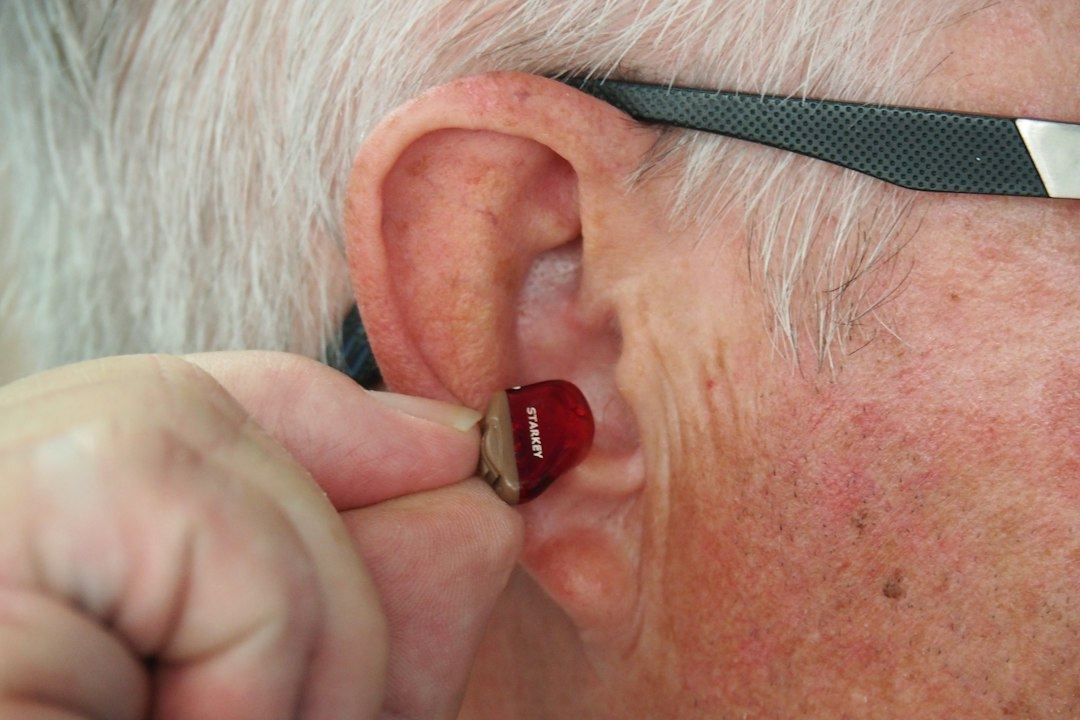
Once the chart exists, the guesswork stops. You know whether you need microsuction to clear a blockage, a hearing aid to restore the missing frequencies, or simply a clean bill of health. Book an appointment in Gateshead to get that answer.
Signs the TV volume has become a problem
Television dialogue fades before the background music does. You turn the volume up to follow what people are saying, and everyone else in the room hears it too loud. This happens because the ear loses high-pitched sounds first, so consonants disappear while bass notes stay clear.
- 1
Remote control arguments
Someone else in the house keeps turning the volume down, or asks you to lower it repeatedly during the evening.
- 2
Subtitles turned on permanently
You rely on text to follow dialogue, especially when characters speak quietly or background music plays underneath.

- 3
Muffled speech on familiar shows
Programmes you have watched for years suddenly sound unclear, even though the sound effects and music remain sharp.

- 4
Different rooms, different volumes
You set the television much louder in one room than another, or louder than you used to keep it in the same spot.
Questions about TV volume and hearing
- Will a hearing aid fix the TV?
- If the test shows a high-frequency drop, a hearing aid restores those pitches. Many modern aids stream television audio directly.
- Could ear wax be the cause?
- Yes. Wax blocking the canal muffles higher sounds first. Microsuction removes it, often restoring clarity immediately.
- Does this mean permanent loss?
- Not necessarily. Only a test distinguishes a temporary blockage from a lasting change in the inner ear.
Stop guessing about the volume
Send an enquiry to book a hearing test in Gateshead. You will receive a call to arrange a date. There is no obligation to buy anything.
- No commitment to buy
- Local appointments
- Results you can discuss before you leave