Noise and hearing
Hearing loss from noisy work around Gateshead
Years on the shipyards, in the pits or on factory floors leave a mark on your hearing. Find out what an audiologist looks for on a test and how to book one near your home.
The noise of Tyneside industry
For decades, the shipyards of Wallsend and Jarrow, the pits around Stanley and the factories across Gateshead ran at volumes that damaged hearing. Men and women worked shifts surrounded by grinding metal, hammering, heavy engines and blasting. Ear defenders were rare or uncomfortable, so most people went without them.
Sound at those levels wears down the tiny hair cells inside the inner ear. Once those cells are gone, they do not grow back. The damage builds up shift by shift, year by year, often without anyone noticing until the quiet moments at home start to feel different.
Why it takes years to notice
Hearing loss from noise does not happen overnight. It creeps in over decades. You might first notice that you need the television louder than everyone else, or that conversations in a busy pub require real concentration. People around you may mention that you ask them to repeat themselves.
Because the change is slow, many assume it is just age. But someone who spent twenty years plating ships or cutting coal carries a specific kind of wear on their ears that differs from ordinary ageing. An audiologist can tell the difference by looking at the shape of the results on a hearing test.
What the audiogram shows
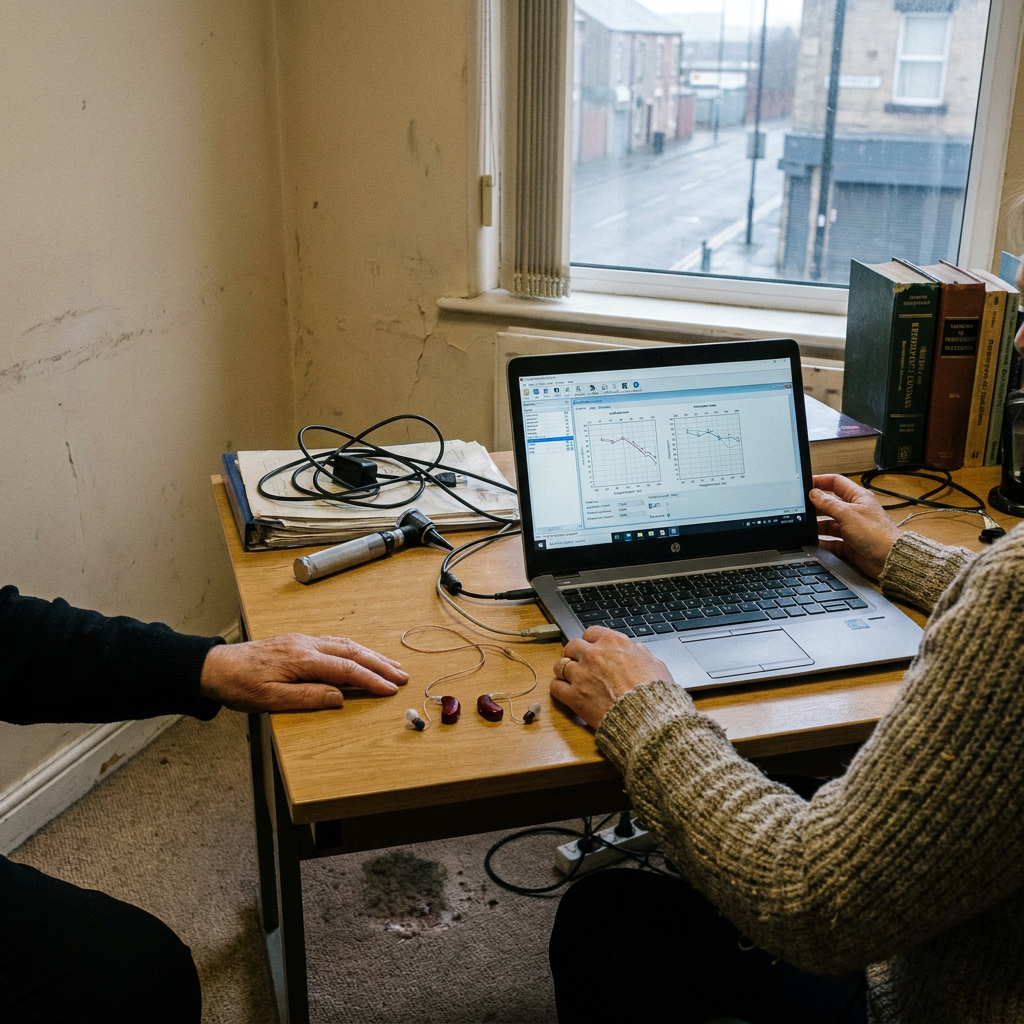
A hearing test produces a chart called an audiogram. It maps how well you hear different pitches, from low rumbles to high whistles. Noise damage leaves a distinct shape on this chart: a sharp dip at the higher frequencies, usually around 4000 hertz, while lower pitches stay relatively intact.
An audiologist reads that notch as evidence of past exposure to loud sound. They will ask about your work history to confirm it. The pattern matters because it separates industrial damage from other causes, like fluid behind the eardrum or natural ageing. Knowing the exact cause shapes what happens next, whether that means fitting a hearing aid or simply monitoring the change over time.
Booking a test near your home
You do not need a referral to have your hearing checked. A local clinic in Gateshead can run a full audiogram and talk through what the results mean for your daily life. The appointment usually takes under an hour.
During the test, you sit in a quiet room wearing headphones. The audiologist plays tones at different pitches and volumes, asking you to press a button each time you hear one. There is no pain and no preparation needed. If you also have a build-up of wax blocking the canal, the specialist can remove it before testing so the readings are accurate.
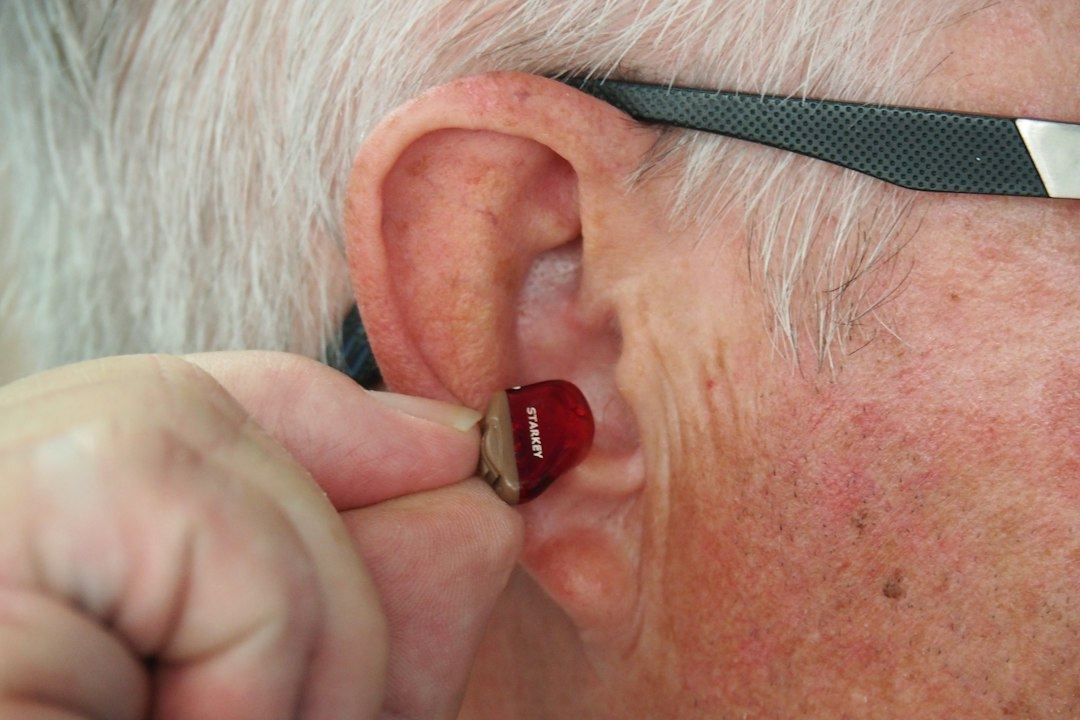
Once the chart is complete, the audiologist explains where your hearing sits compared to normal ranges and discusses options. That might include a hearing aid tuned to lift the specific frequencies you have lost, or advice on protecting what remains.
Signs your hearing has changed since working in noise
Damage from loud workplaces often goes unnoticed for years. The changes below tend to appear gradually, making them easy to dismiss as tiredness or background noise.
- 1
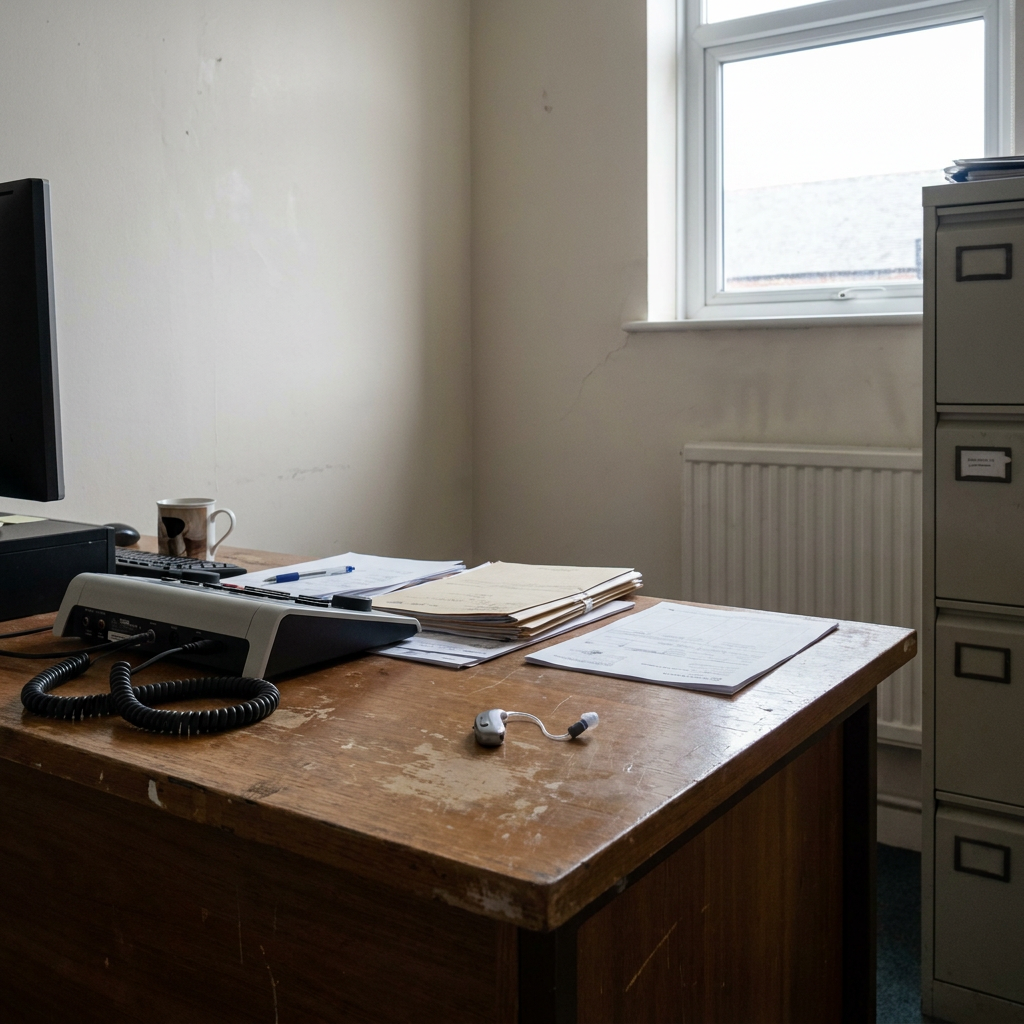
Turning the television up
You keep raising the volume while others in the room find it too loud. This often points to trouble with higher-pitched sounds.
- 2
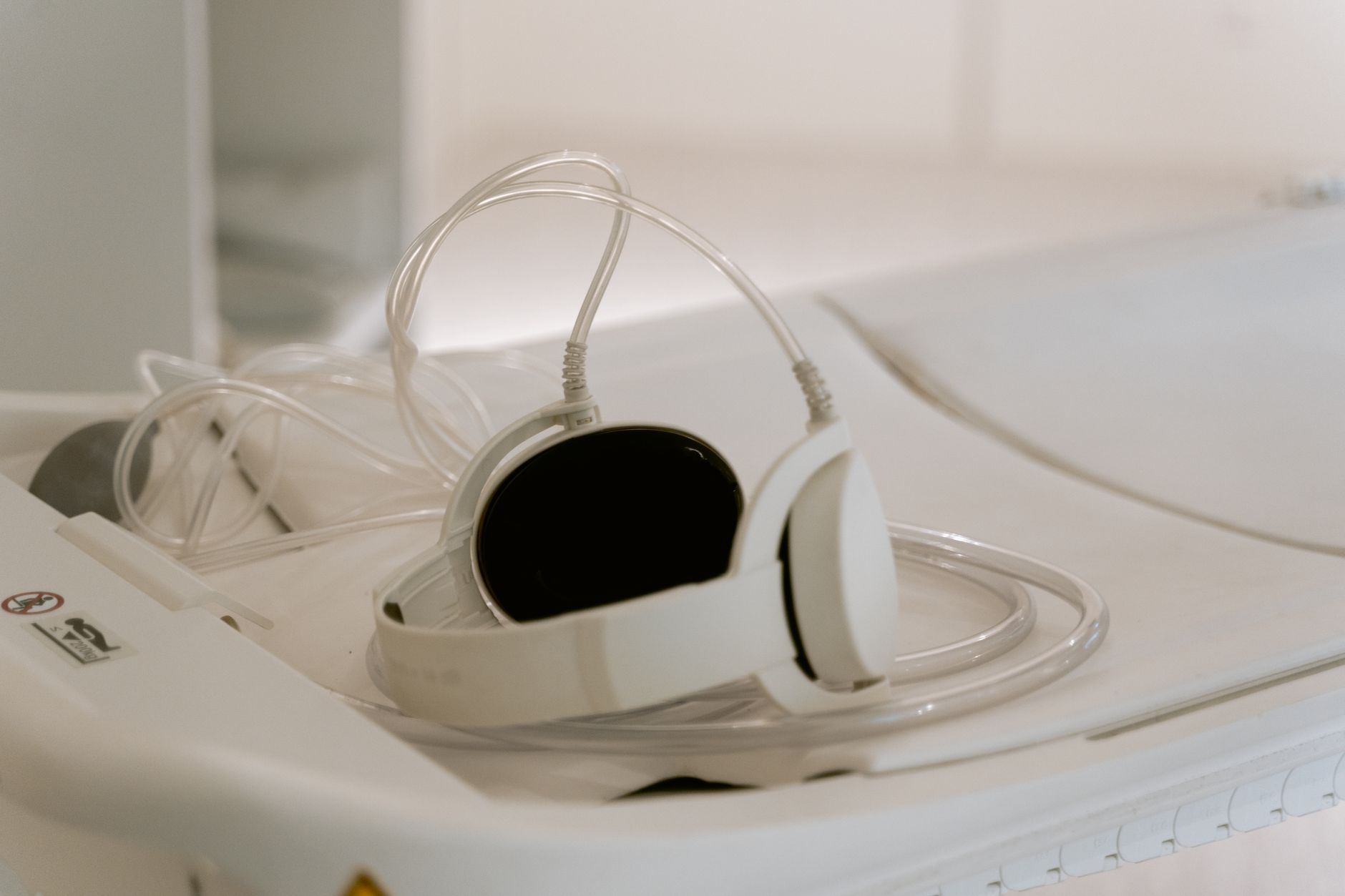
Losing speech in crowds
Pubs and family gatherings become exhausting because separating voices from background clatter takes far more effort than it used to.
- 3
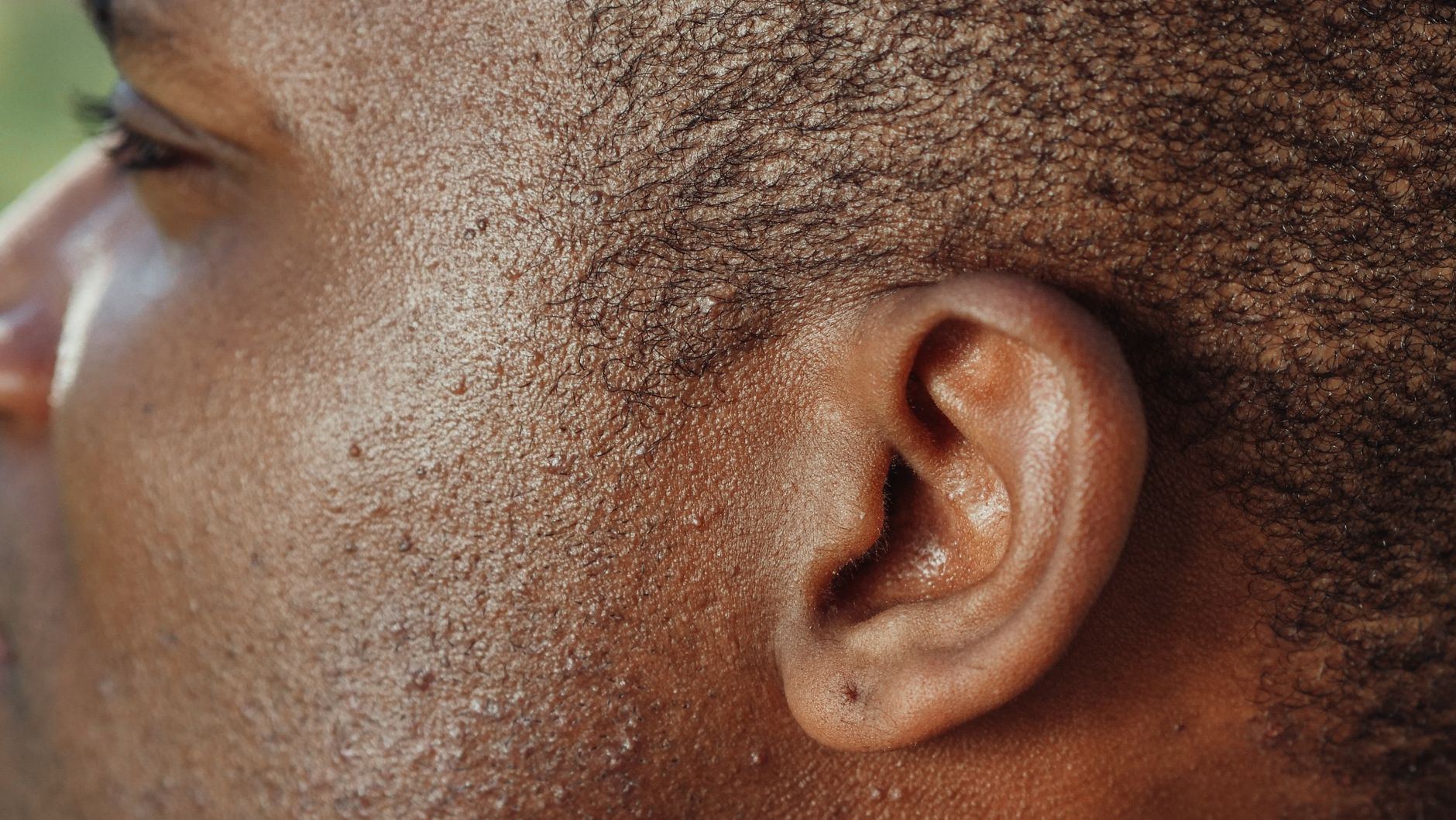
A constant ringing or buzzing
A steady hum or whistle in one or both ears, especially noticeable in a quiet bedroom, frequently follows long-term noise exposure.
- 4
Asking people to repeat themselves
You catch that someone is speaking but miss the actual words, particularly consonants like S, F and Th which sit at higher pitches.
Questions about noise-related hearing loss
Common things people ask before booking a hearing test after years in loud work.
- Will the test hurt?
- No. You wear headphones and respond to quiet tones. The whole process is painless and takes less than an hour.
- Can lost hearing come back?
- Hair cells damaged by noise do not regenerate. A hearing aid can amplify the missing frequencies so speech becomes clearer again.
- Do I need a GP referral?
- You can book directly with an audiologist. No referral is required for a private hearing test.
- What if my ears are blocked with wax?
- The specialist can clear wax using microsuction before running the test, ensuring the results reflect your true hearing level.
Book a hearing test in Gateshead
Send your details and a local clinic will arrange a time to check your hearing. There is no obligation to accept treatment or buy anything afterwards.
- No obligation
- Local clinics
- Clear results