Hearing guide
Does hearing loss run in the family?
Find out how much of your hearing depends on genetics, how age and noise exposure change the picture over time, and when to arrange a hearing test in Gateshead.
What genes actually control in your ears
Some forms of hearing loss are inherited. Certain gene variants affect how the inner ear develops before birth or how its tiny hair cells function throughout life. If several close relatives needed hearing aids early, you may carry those same variants.
But genetics rarely act alone. Most people who notice their hearing fading in middle age have a mix of inherited sensitivity and decades of environmental exposure. The genes set a baseline. What happens next depends heavily on how your ears are treated.
An audiologist can spot patterns that suggest a genetic component, especially if one ear declines faster than the other or if high frequencies disappear unusually early. A standard hearing test measures what you hear right now, regardless of why it changed.
Age, noise and everything else
Presbycusis, the gradual hearing decline tied to ageing, affects almost everyone eventually. It usually starts with higher pitches: birdsong fades first, then consonants like S and F become hard to separate from background sound.
Noise exposure accelerates that process. Years working on Tyneside shipyards, in factories or around heavy machinery leave lasting damage. Even recreational noise matters. Loud music through headphones or regular nights in busy pubs add up over decades.
Other factors include certain medications, repeated ear infections and simple blockages. Sometimes a muffled feeling has nothing to do with nerve damage at all. Ear wax builds up slowly and can make a healthy ear feel almost deaf until a specialist clears it.
Because these causes overlap so much, guessing which one applies to you is unreliable. A proper assessment separates temporary problems from permanent changes.
When family history should prompt action
Knowing your parents or siblings lost their hearing does not mean you must wait for the same thing to happen. It means you have a reason to check sooner rather than later.
If you find yourself asking people to repeat themselves, turning the television louder than others prefer, or struggling to follow conversations in noisy rooms, those are signals worth acting on. They might point to early nerve changes, or they might be something straightforward like wax buildup.
Arranging a hearing test in Gateshead gives you a clear baseline. An audiologist records exactly which frequencies you hear well and which have started to slip. That record becomes useful years later, because comparing two tests shows whether anything is actually changing or if your hearing has stayed stable.
You do not need a referral. You can book directly and get answers in a single appointment.
What a hearing test involves
A typical appointment starts with questions about your health, your work history and any symptoms you have noticed. The audiologist will look inside your ears with an otoscope to check for wax or infection before any listening tests begin.
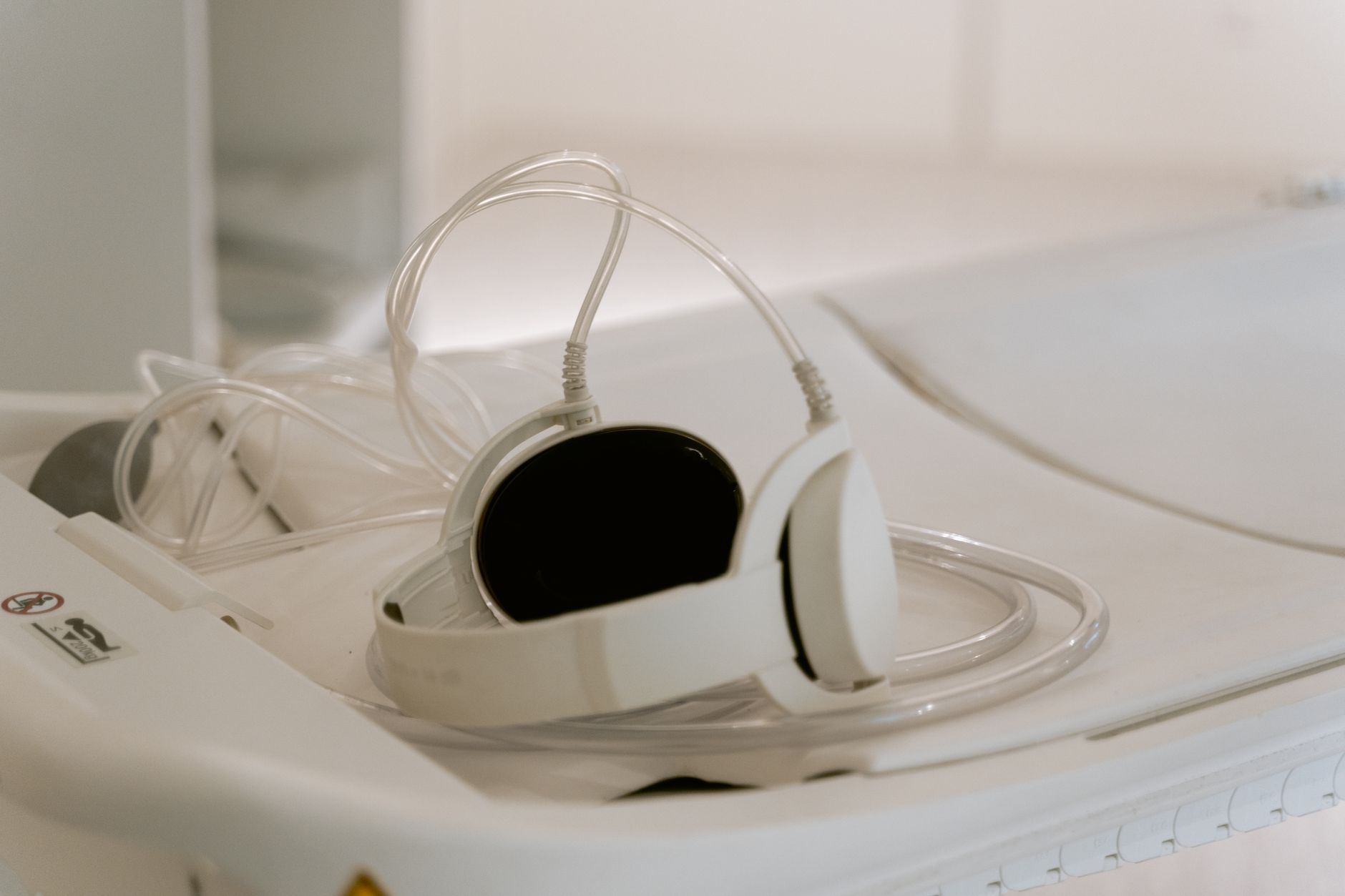
The main part involves wearing headphones in a quiet room. You press a button each time you hear a tone, starting loud and dropping to very soft levels across different pitches. This maps the quietest sounds each ear can detect.
Sometimes speech tests follow, where you repeat words played at various volumes. These show how well you understand conversation, not just pure tones.
The results appear on an audiogram, a chart showing your hearing thresholds. The audiologist explains what the shape of that line means for daily life and whether hearing aids, wax removal or simply monitoring is the right next step.
Arrange a hearing test in Gateshead
Send your details and a local clinic will call to find a convenient time. There is no obligation to accept an appointment or buy anything.
- No commitment required
- Local Gateshead clinics
- Clear pricing upfront