Hearing test guide
Should you bring someone to a hearing test?
Find out whether having another person at your appointment changes anything. Learn what they can help with, how the audiologist uses their observations, and why going alone is perfectly fine too.
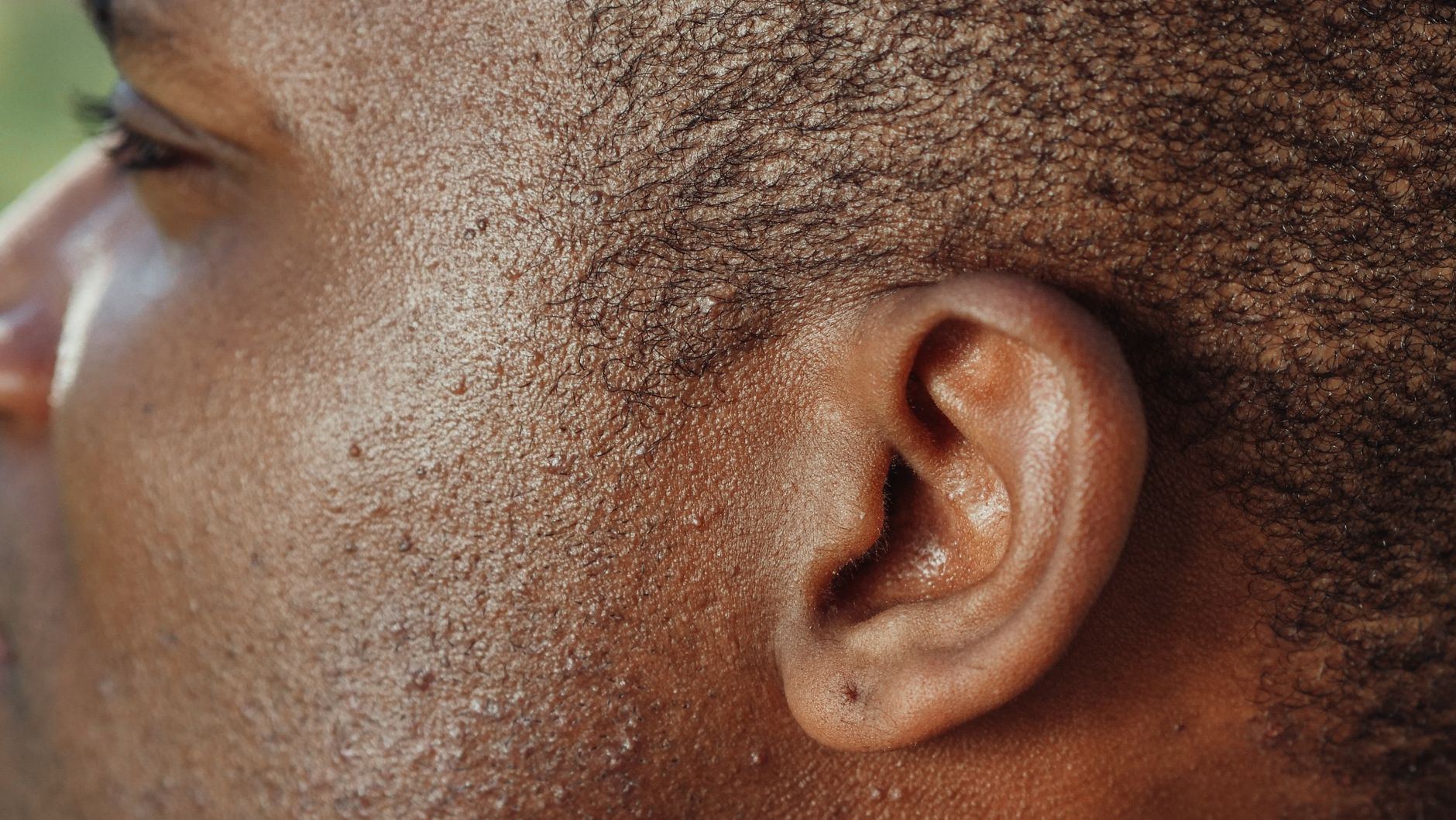
Going alone is completely fine
You do not need company for a hearing test. The audiologist runs every part of the appointment themselves, from the first questions about your health to the tones played through headphones. If you prefer to go by yourself, nothing will be missing from the process.
Some people find it easier to concentrate without another person in the room. The booth where the test happens is small, and having one fewer body in there can make it feel less cramped. You can answer questions at your own pace without worrying about someone else jumping in or reacting to what you say.
If you drive yourself to the clinic in Gateshead, you simply walk in, sit down, and follow the instructions. Afterwards you take the results home and decide what to do next. There is no expectation that you arrive with anyone else.
Why another person can help during the appointment
A partner, friend or family member often notices things about your hearing that you have grown used to. They might mention that you ask people to repeat themselves at dinner, or that you turn the television up louder than everyone else prefers. That outside perspective gives the audiologist useful context before the headphones even go on.
During the consultation, having someone who knows your daily routine helps paint a clearer picture. They can describe situations where you struggle, like busy pubs or phone calls, which shapes how the specialist interprets the test results. You might forget to mention something under the pressure of the moment, but they remember.
They also provide a second set of ears when the audiologist talks through the findings. After an hour of listening to tones and answering questions, it is easy to lose track of technical details. Another person absorbs the information alongside you, so you can discuss it properly later rather than relying on memory alone.
What they can do while you are tested
The actual hearing test takes place inside a sound-treated booth. You wear headphones and press a button each time you hear a tone. Your companion does not come into the booth with you. They wait in the consultation room or the reception area until that part finishes.
Once you are back at the desk, the audiologist goes through the chart showing how your ears responded across different pitches. This is where your companion becomes useful again. They listen to the explanation, ask questions you might not think of, and hear exactly what the numbers mean for your day-to-day life.
If the specialist recommends further steps, such as ear wax removal or a fitting for hearing aids, your companion hears the reasoning directly. They understand why a particular path was suggested, which makes it easier to support whatever you decide to do next.
How the audiologist uses their observations
Specialist audiologists value the observations of someone who spends time with you regularly. A hearing test measures thresholds in quiet conditions, but real life is rarely quiet. Your companion describes how you manage in noise, whether you lean towards one side during conversations, or if you withdraw when a room gets loud.
These details matter because two people can have identical test results yet experience very different difficulties. One might cope well because they lip-read without realising it; another might struggle badly because background noise masks speech entirely. The audiologist uses these accounts to interpret the data accurately.
If hearing aids are discussed, knowing how you interact at home helps the specialist choose the right settings. They can tailor the devices to the environments your companion describes, rather than guessing based on the chart alone. It turns a standard fitting into something built around your actual habits.
Deciding who to bring with you
Choose someone who listens well and stays calm. An appointment about hearing loss can feel unsettling, especially if the results show a bigger change than expected. You want a person who processes information steadily rather than one who panics or talks over the audiologist.
Adult children often make good companions for older parents. They know the household routines, they notice the television volume creeping up, and they are usually comfortable asking direct questions. A close friend works just as well if they spend enough time with you to spot patterns.
Avoid bringing someone who treats the appointment as a casual outing. The consultation requires attention. If your companion checks their phone constantly or interrupts the specialist, they become a distraction rather than a help. One focused person is better than three who are only half paying attention.
When going alone makes more sense
Sometimes bringing another person complicates things. If your companion tends to answer questions directed at you, the audiologist loses your honest responses. You might downplay a problem because they are in the room, or exaggerate it because they expect you to. Either way, the results become less reliable.
Privacy matters too. You may not want someone hearing about your medical history or the specific frequencies you struggle with. A hearing test involves personal health information, and you have every right to keep that between yourself and the specialist.
If nobody suitable is available, do not delay the appointment waiting for them. The audiologist is trained to gather all the necessary information directly from you. They will ask the right questions and explain everything clearly enough that you leave knowing exactly where you stand, regardless of who sat beside you.
Arrange a hearing test in Gateshead
Send your details and a local clinic will contact you to arrange an appointment. This does not commit you to buying anything or attending a sales pitch.
- No obligation to buy
- Local Gateshead clinics
- Clear pricing upfront